Introduction
Power cables are essential components of any electrical system, providing the necessary connection between power sources and electrical equipment. In industrial settings, power cables are often exposed to harsh environments that can compromise their performance and safety. Chemical exposure is a significant risk factor for power cables, as certain substances can degrade the cable insulation and conductor materials, leading to potential electrical failures and safety hazards.
Chemical resistant power cables are specifically designed to withstand exposure to a wide range of chemicals, ensuring the safety and reliability of electrical systems in challenging environments. In this article, we will explore the importance of chemical resistant power cables, their key features and benefits, as well as their applications in various industries.
Importance of Chemical Resistant Power Cables
Chemical exposure poses a serious threat to the performance and integrity of standard power cables. When exposed to Rubber Sheathed Cable , the insulation and jacket materials of a power cable can deteriorate, leading to potential electrical shorts, arcing, and even fires. In addition, chemical exposure can weaken the conductors, compromising the electrical conductivity of the cable.
In industrial settings such as chemical plants, refineries, and laboratories, where exposure to chemicals is common, the use of chemical resistant power cables is essential to ensure the safety and reliability of electrical systems. By using cables specifically designed to withstand chemical exposure, the risk of electrical failures and accidents can be significantly reduced.
Key Features of Chemical Resistant Power Cables
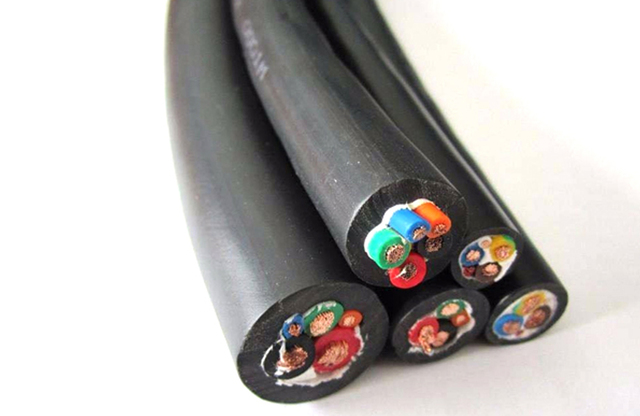
Chemical resistant power cables are engineered with special materials and construction techniques to enhance their resistance to chemical exposure. Some of the key features of chemical resistant power cables include:
1. Chemical Resistant Insulation: The insulation material used in chemical resistant power cables is specifically chosen for its resistance to a wide range of chemicals. Common insulation materials include fluoropolymers such as PTFE (polytetrafluoroethylene) and FEP (fluorinated ethylene propylene), as well as cross-linked polyethylene (XLPE) and silicone rubber.
2. Protective Jacketing: In addition to chemical resistant insulation, chemical resistant power cables are often equipped with a durable outer jacket that provides an extra layer of protection against chemical exposure, abrasion, and mechanical damage. The jacket material is typically made of materials such as PVC (polyvinyl chloride), polyurethane, or neoprene.
3. Corrosion-Resistant Conductors: The conductors in chemical resistant power cables are typically made of materials that are resistant to corrosion, such as tinned copper or nickel-plated copper. This helps to maintain the electrical conductivity of the cable even in the presence of corrosive chemicals.
4. Temperature Resistance: Chemical resistant power cables are designed to withstand a wide range of temperatures, from extreme cold to high heat. This ensures that the cables can perform reliably in a variety of operating conditions.
Benefits of Chemical Resistant Power Cables
The use of chemical resistant power cables offers a wide range of benefits, including:
1. Enhanced Safety: Chemical resistant power cables reduce the risk of electrical failures, shorts, and fires caused by chemical exposure. This helps to protect personnel, equipment, and facilities from potential hazards.
2. Increased Reliability: By using cables that are designed to withstand chemical exposure, the reliability of electrical systems in industrial environments is significantly improved. This reduces downtime and maintenance costs associated with cable failures.
3. Extended Service Life: Chemical resistant power cables are more durable and long-lasting compared to standard cables, thanks to their superior resistance to chemical degradation. This results in a longer service life and lower replacement costs over time.
4. Compliance with Regulations: In many industries, compliance with safety and environmental regulations is mandatory. Using chemical resistant power cables helps to meet regulatory requirements related to electrical safety and protection against chemical hazards.
Applications of Chemical Resistant Power Cables
Chemical resistant power cables are widely used in a variety of industries and applications where exposure to chemicals is a concern. Some common applications of chemical resistant power cables include:
1. Chemical Processing Plants: In chemical processing plants, where a wide range of corrosive chemicals are used, chemical resistant power cables are essential to ensure the safety and reliability of electrical systems.
2. Oil and Gas Industry: In oil refineries, offshore platforms, and other facilities in the oil and gas industry, chemical resistant power cables are used to provide power distribution in challenging environments where exposure to oil, gas, and chemicals is common.
3. Pharmaceutical Industry: In pharmaceutical manufacturing facilities, where stringent cleanliness and safety standards must be met, chemical resistant power cables are used to provide power to equipment and machinery without compromising product quality.
4. Laboratories: In research laboratories and testing facilities, where a variety of chemicals are handled, chemical resistant power cables are used to provide power to sensitive instruments and equipment.
Conclusion
Chemical resistant power cables play a crucial role in ensuring the safety and reliability of electrical systems in environments where exposure to chemicals is a concern. By using cables specifically designed to withstand chemical exposure, industries can reduce the risk of electrical failures, protect personnel and equipment, and comply with regulatory requirements. The key features and benefits of chemical resistant power cables make them an essential component of electrical systems in a wide range of industries.